
HR Trends in 2026: What Growing Companies Need to Prioritize Now
HR in 2026 is not being shaped by one big shift. It is being reshaped by several at once: AI entering everyday workflows, skills becoming more valuable than static job titles, employee relations growing more complex, and leaders needing better data to make decisions with confidence. For growing companies, the real challenge is not identifying trends. It is deciding which ones deserve action now. This guide focuses on the HR trends that matter most for companies trying to scale without losing clarity, consistency, or trust.
1. AI Is Expanding HR’s Role, Not Replacing It
One of the clearest HR trends in 2026 is the deeper integration of AI into hiring and people operations. The strongest organizations are not using AI to replace judgment, but to streamline processes and reduce administrative work, freeing up time for human oversight where it matters most.
For growing companies, this creates a clear priority: invest in systems that increase speed without replacing human judgment. This is especially critical in hiring, where quality depends not only on technical ability, but also on soft skills, alignment, and long-term potential.
2. Skills-Based Hiring Is Becoming More Important Than Role Matching
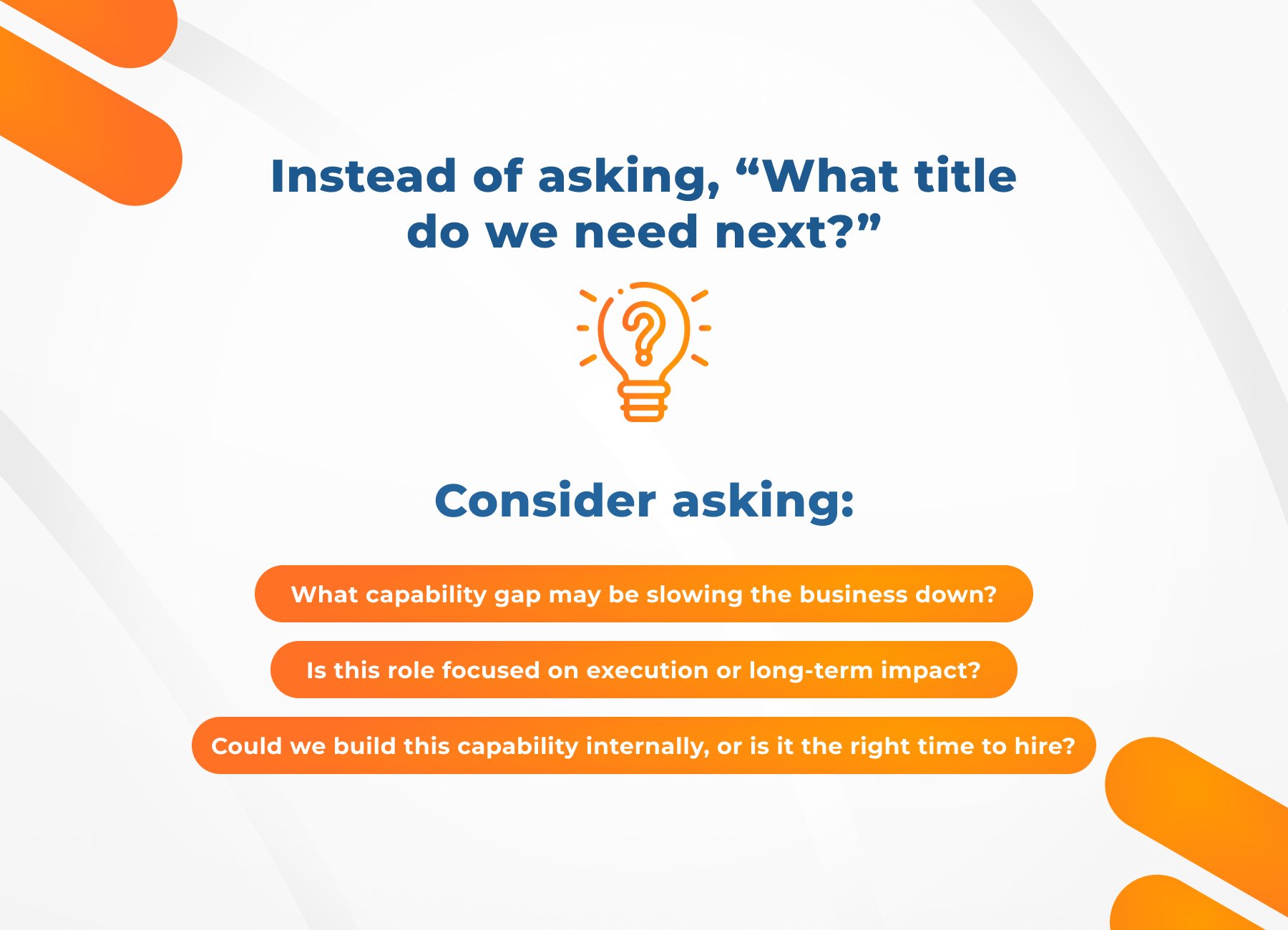
Another major shift is the move away from rigid role definitions toward skills-based decision-making. It’s important to focus on dynamic skills mapping, internal mobility, and building teams based on capabilities rather than job titles alone. For growing companies, this changes how hiring should be planned.
3. Employee Relations Is Becoming More Strategic
Employee relations is no longer just a reactive support function. While staffing levels have remained largely flat for years, case complexity and employee expectations have continued to rise. At the same time, mental health remains a leading driver of workplace challenges—pushing employee relations into a more strategic role, where teams help leaders identify risks early and respond with greater consistency.
This shift matters because growth amplifies inconsistency. As teams scale, the cost of uneven decisions increases. Retention risks, in particular, become one of the most significant, and most preventable, threats to business continuity. That is why employee relations is evolving into a strategic function: one that establishes clear standards for manager escalation, feedback, accommodations, performance conversations, and documentation.
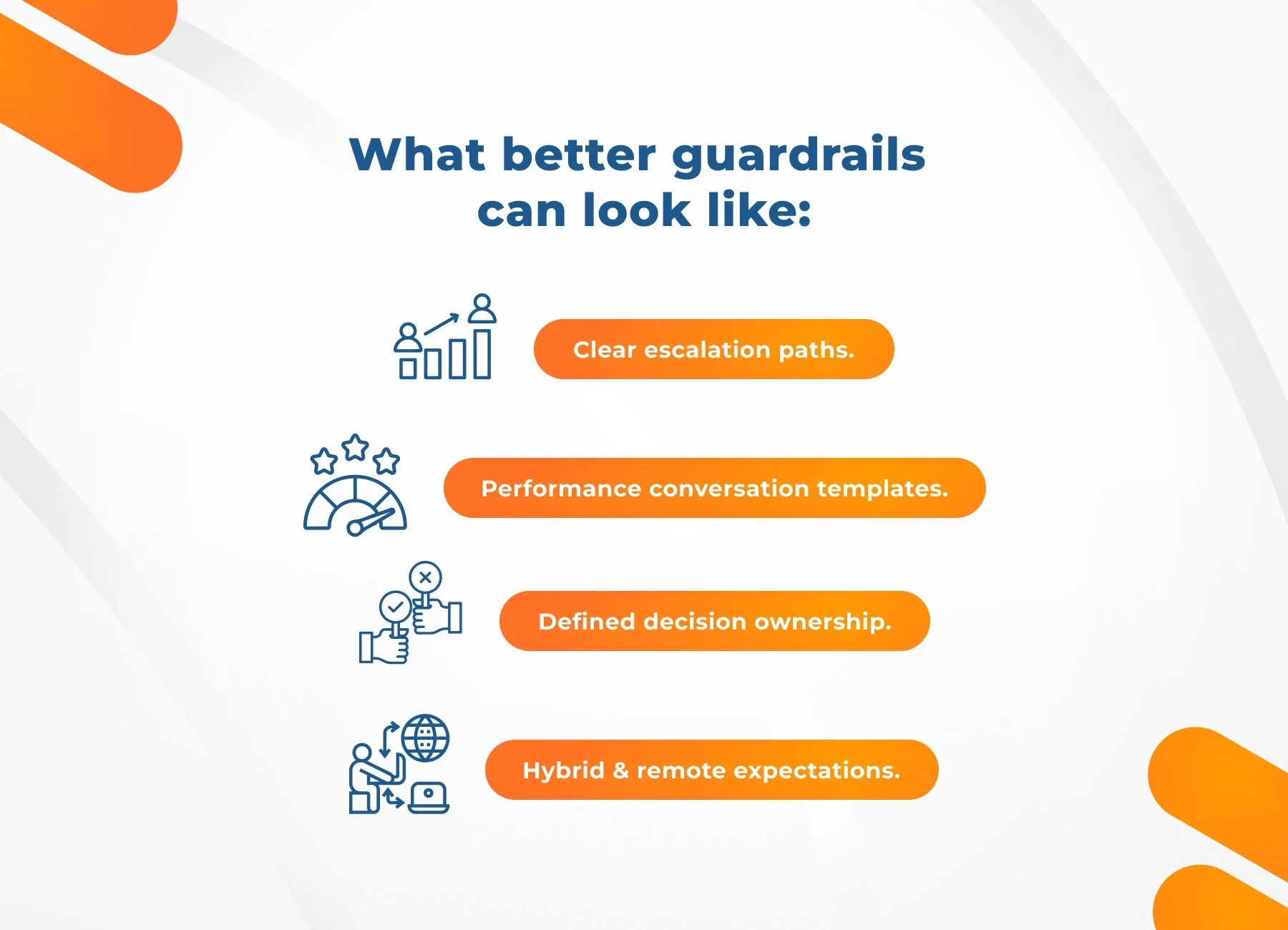
4. Managers Need Better Guardrails, Not More Guesswork
Employee relations should define the process and standards, then enable managers to execute within those guardrails. It also makes a strong case for better data and centralized tracking, summarizing the year with a blunt takeaway: if it is not tracked, it does not exist.
For growing companies, this means HR’s job is not only to support managers. It is to build repeatable systems managers can actually use.
How Projective Staffing Helps
We help growing companies act on these HR priorities with more clarity and less drag. When a role requires precision, targeted headhunting helps teams hire with greater focus and ownership. When a role requires speed, flexibility, and operational support, remote staffing can reduce friction while keeping quality high.
Frequently Asked Questions
What are the most important HR trends in 2026?
Greater AI integration, skills-based hiring, evolving employee relations, stronger manager enablement, and more data-driven decisions.
Why is employee relations getting more attention in 2026?
Because workplace issues are becoming more complex, and companies need better systems to manage risk and support employees effectively.
How should growing companies respond to HR trends?
By prioritizing structure. Clear planning, defined processes, and hiring models aligned with business needs.
Are soft skills still important in 2026?
Yes. As AI expands, human skills like critical thinking, communication, and emotional intelligence become even more valuable.
A Smarter Way to Respond to HR Trends
The most useful HR trends are the ones that help growing companies make better decisions about people, structure, and scale. HR teams do not need to react to everything. They need to prioritize what improves performance, reduces inconsistency, and supports growth.
If your team is scaling and needs hiring support that aligns with those priorities, we’re here to help. Schedule a consultation.