
How to Choose a Staffing Agency: What to Evaluate Before You Sign
Knowing how to choose a staffing agency helps leaders avoid rushed decisions, unclear expectations, and poor-fit candidates. The right staffing or recruiting partner should do more than send resumes. It should understand your business goals, clarify the role, evaluate candidates carefully, and support a hiring process that improves speed without sacrificing quality.
Before you sign with a staffing partner, use a structured evaluation process to compare screening quality, communication, timelines, pricing, and long-term fit.
Start With the Hiring Problem You Need to Solve
Before comparing agencies, define the problem clearly. Are you trying to fill one urgent role, build long-term remote capacity, recruit for a specialized position, or reduce pressure on overloaded managers?
Different needs may require different hiring models. Remote staffing can help companies add pre-vetted professionals with support around sourcing, vetting, onboarding coordination, and payment. Headhunting is often a better fit when a company wants targeted recruiting while hiring the candidate directly.
A strong agency should help you clarify the right model before recommending a solution. If a partner cannot explain how its process fits your role, timeline, and internal capacity, that is a warning sign.
Evaluate the Screening Process
Many staffing agencies will say they have access to strong candidates. The better question is how they evaluate those candidates before presenting them to you.
Ask how the agency screens for role-specific skills, communication ability, remote work readiness, autonomy, follow-through, workflow fit, and long-term alignment.
Future of Recruiting 2025 notes that quality of hire is often connected to job performance, retention, and hiring manager satisfaction. That matters because a staffing partner should not only focus on filling the role quickly. It should help improve the odds that the hire performs well after placement.
This is why companies should think about hiring beyond resumes. A resume can show experience, but it does not always show judgment, communication style, or the ability to work inside your team’s real operating rhythm.
Ask How They Define Role Fit
A good staffing partner should not treat your job description as the final answer. It should ask questions that sharpen the role.
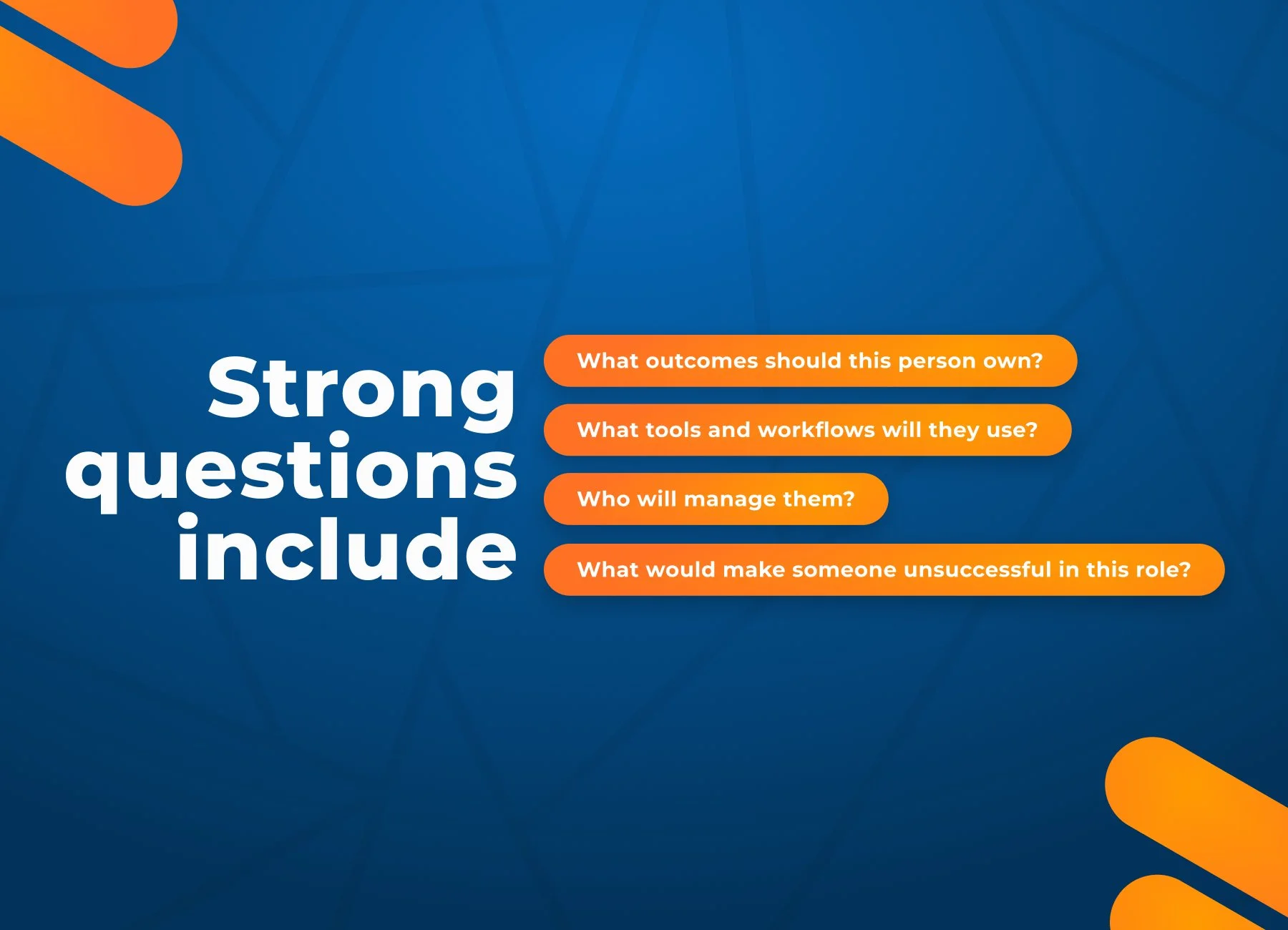
The AMA’s guidance on choosing a staffing company recommends reviewing references, fees, and whether the firm understands your culture and job requirements. Those basics still matter because poor discovery often leads to poor matching.
Review Communication and Accountability
A strong staffing partner should be clear about what happens after the first call. You should understand the timeline, how candidates will be presented, what information you will receive, and who owns each next step.
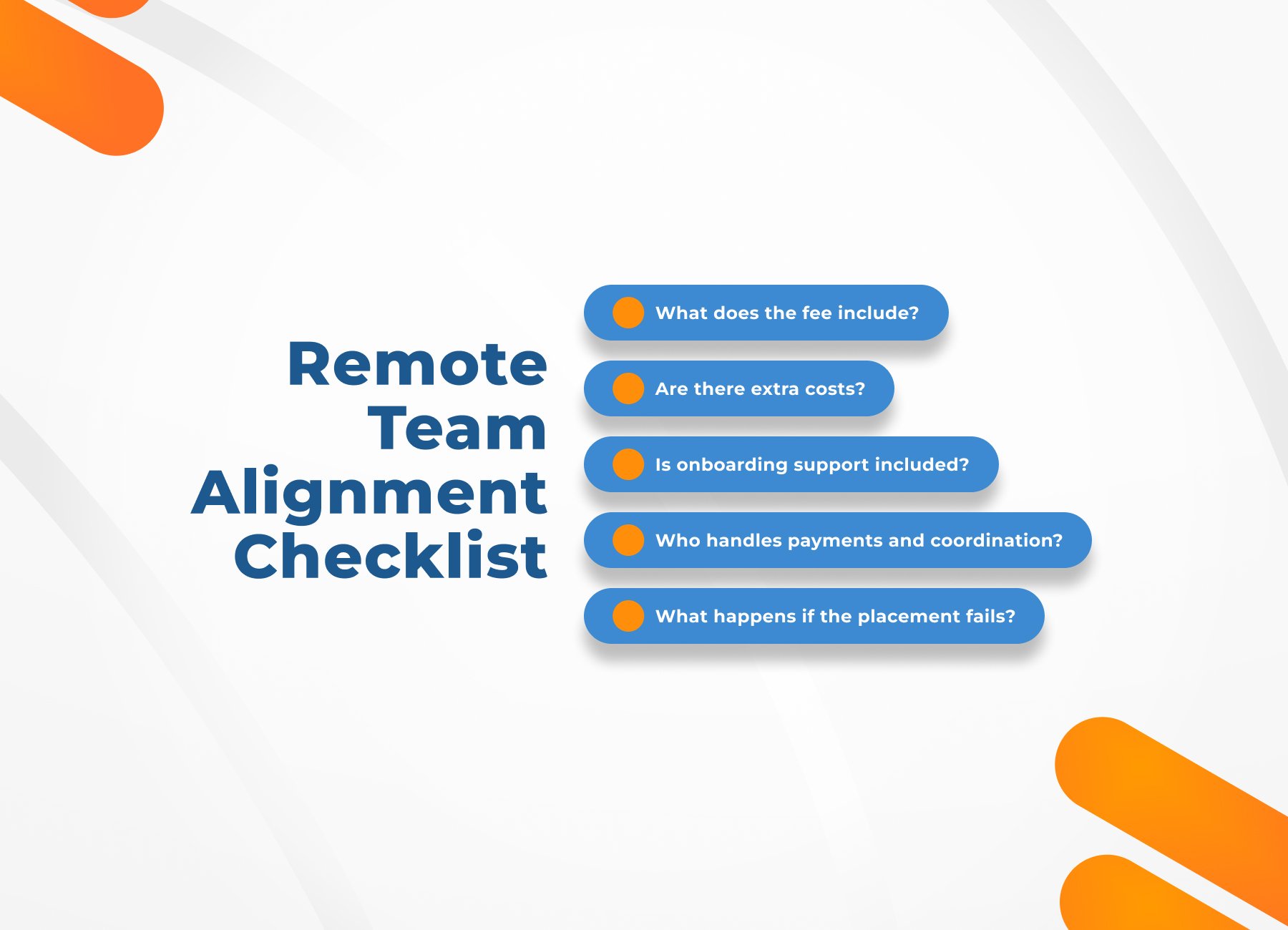
Look for clarity on candidate delivery timelines, screening steps, interview coordination, feedback expectations, onboarding support, payment terms, and replacement or adjustment policies.
Slow or vague communication before signing usually does not improve after. If the agency is hard to reach during the sales process, it may be hard to reach when a role becomes urgent.
Compare Pricing With Value
The lowest fee is not always the lowest-risk option. A staffing partner that saves money upfront but sends weak matches can cost more through manager time, delayed work, turnover, and repeated hiring cycles. Clear pricing builds trust. Confusing pricing creates risk.
Look for a Partner, Not a Resume Vendor
The strongest staffing agencies act like workforce partners. They help clarify needs, improve role definition, move quickly, and think beyond one immediate vacancy.
SHRM has noted that talent acquisition is becoming more connected to workforce planning and business strategy. That same mindset should apply to staffing partnerships: the right partner should support better hiring decisions, not just faster candidate delivery.
For companies planning beyond one role, long-term staffing partnerships can create more consistency as hiring needs evolve.
How Projective Staffing Helps
We support companies through:
Remote staffing: we handle sourcing, vetting, onboarding coordination, and payment. Plus, we deliver pre-vetted remote professionals in 3–5 days, with attention to communication, autonomy, workflow fit, and role readiness.
Headhunting: we help companies recruit qualified candidates for onsite or remote roles while the client hires directly.
Frequently Asked Questions
How do I choose a staffing agency?
By evaluating its screening process, role discovery, communication, timelines, pricing, references, and ability to understand your business needs.
What should I ask before signing with a staffing agency?
Ask how candidates are vetted, how quickly candidates are delivered, what support is included, how pricing works, and what happens if a placement does not work out.
What is the difference between staffing and headhunting?
Staffing includes broader support around sourcing, vetting, onboarding coordination, and payment. Headhunting focuses on recruiting candidates the client hires directly.
Choose a Staffing Partner That Supports Better Hiring
Choosing a staffing agency should be a strategic decision, not a rushed vendor choice. The right partner helps you move faster while protecting quality, communication, and role fit.
If your company is comparing staffing or recruiting partners, Projective Staffing can help you find the right talent model for your goals and connect you with professionals who fit the way your team works. Schedule a consultation.