
Hiring for Roles That Didn't Exist Two Years Ago
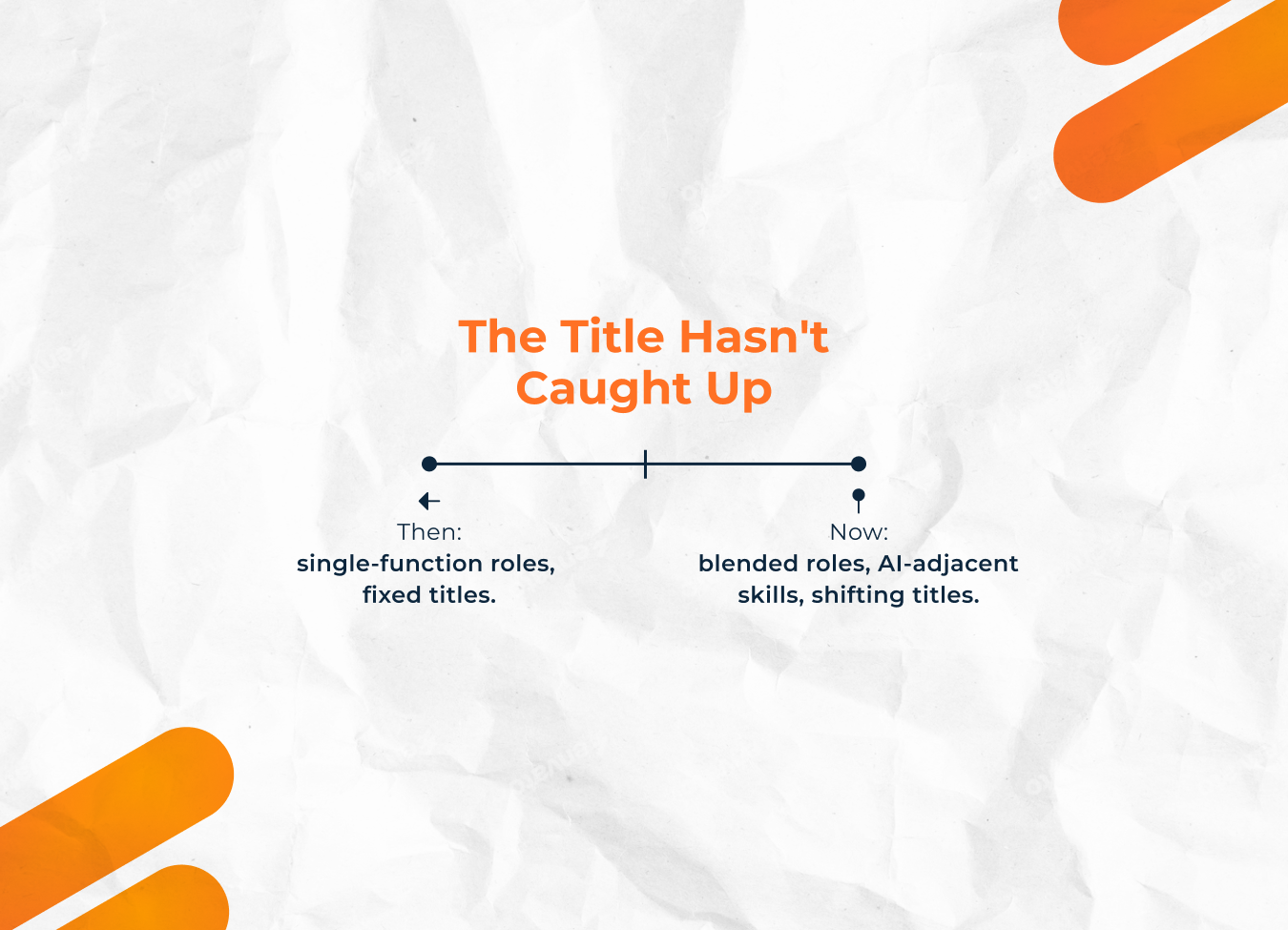
Post a job description written eighteen months ago, and there's a good chance half of it no longer describes the job. Titles have shifted, responsibilities have blended across departments, and the skills that mattered most in 2024 aren't always the skills that matter now. Companies aren't just filling roles anymore — they're often defining them for the first time, in real time, while trying to hire for them.
Why So Many Roles Look Nothing Like They Did Two Years Ago
The shift isn't isolated to tech. According to the World Economic Forum's Future of Jobs Report, long-established job and skills profiles are being reshaped across industries as businesses adopt AI, automation, and new operating models to stay competitive. Employers surveyed for the report expect a large share of core job skills to become outdated within just a few years, which means the job description written for a role last year may already be measuring the wrong things.
Titles are shifting just as fast. LinkedIn's analysis of the fastest-growing U.S. job titles points to AI-related and infrastructure roles dominating growth, alongside a rise in hybrid technical-strategy positions that blend skill sets traditional job titles were never built to describe. Roles that blend AI literacy with an existing function — operations plus automation, marketing plus AI content workflows, finance plus AI cost management — are showing up across company sizes, not just at large tech employers. Many of these roles didn't have a name two years ago. Some still don't have a stable one.
Where Standard Job Descriptions and Sourcing Fall Short
Most job descriptions are built from a template: a list of past qualifications, a fixed list of tools, a tidy set of "must-haves" borrowed from the last time the role was filled. That approach breaks down fast when the role itself is still evolving. A job description that only reflects what the role used to require will filter out the candidates most capable of doing what it requires now.
Sourcing strategies have the same problem. Searching for candidates by exact past job titles doesn't work well when the strongest candidates come from adjacent roles, hybrid backgrounds, or functions that didn't carry today's title two years ago. Limiting a search to people who've already held the exact title you're hiring for can shrink the pool right when it needs to be widest.
How to Write and Source for a Role That's Still Taking Shape
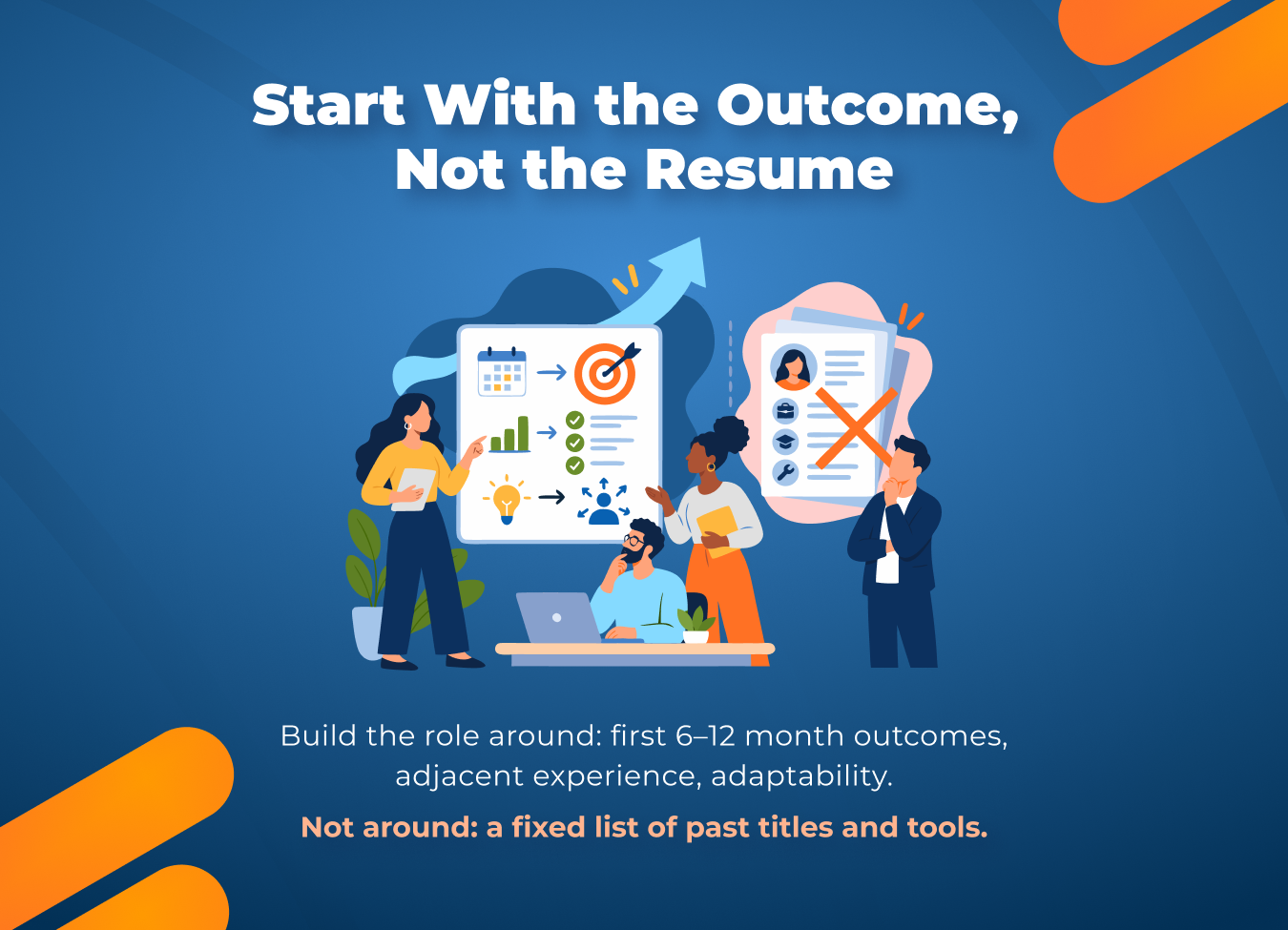
Start with outcomes, not history. Instead of listing years of experience in a specific tool or title, define what the role needs to accomplish in its first six to twelve months, and work backward to the skills that actually get there. This keeps the description flexible enough to match how the role will keep evolving. Our piece on how to design flexible jobs without losing structure covers how to build that flexibility in without losing the clarity a candidate or hiring manager needs.
Sourcing needs the same adjustment. Rather than filtering by exact title, look for adjacent experience and demonstrated ability to pick up new tools quickly. Candidates coming from hybrid backgrounds, or from global talent markets where blended skill sets are common, are often better positioned for roles that don't fit a traditional mold. Our look at why global staffing firms are recruiting top talent from India and Latin America covers why these markets are producing strong candidates for exactly this kind of role.
Where a Staffing Partner Adds Value
Defining a role that doesn't have a clean precedent takes time most internal teams don't have alongside their regular hiring load. A staffing partner that's already sourcing across industries and geographies has visibility into how similar hybrid roles are being defined and filled elsewhere, which shortens the guesswork considerably. That's true whether the role is a remote support function built around a new workflow or a specialized hire a company needs to bring on directly.
Frequently Asked Questions
Why do so many job descriptions feel outdated almost immediately?
Job descriptions are often built from past hires rather than current or future needs, so they lag behind how quickly skill requirements and responsibilities are actually changing.
What's the risk of sourcing only by exact past job titles?
It narrows the candidate pool unnecessarily, since strong candidates for new or hybrid roles often come from adjacent titles or backgrounds that don't match a rigid keyword search.
How should a company write a job description for a role that's still evolving?
Focus on the outcomes the role needs to achieve in its first several months, then define the skills required to get there, rather than listing a fixed set of past qualifications.
Can a staffing partner help fill a role that doesn't have a clear precedent?
Yes. A staffing partner with visibility across industries and global talent markets can help define the role's real requirements and source candidates whose backgrounds fit, even without an exact title match.
Build Remote Capacity Without Adding Complexity
New roles don't come with a hiring playbook already written. Projective Staffing helps growing companies define what a role actually needs and source candidates who fit it, whether that's a remote hire built around a new function or a direct hire for a specialized position. Explore our long-term staffing partnerships to see how that process works. Interested in talking? Schedule a consultation.