
Workflow support roles are the positions that keep AI-assisted work accurate and moving: managing handoffs, checking quality, and maintaining the processes automation depends on. As AI takes on more drafting and routine execution, the work around that execution doesn't disappear. It grows. Companies that name and staff it early avoid a quiet bottleneck, and the ones that don't often discover it as rework.
Why AI Creates New Work Around the Work
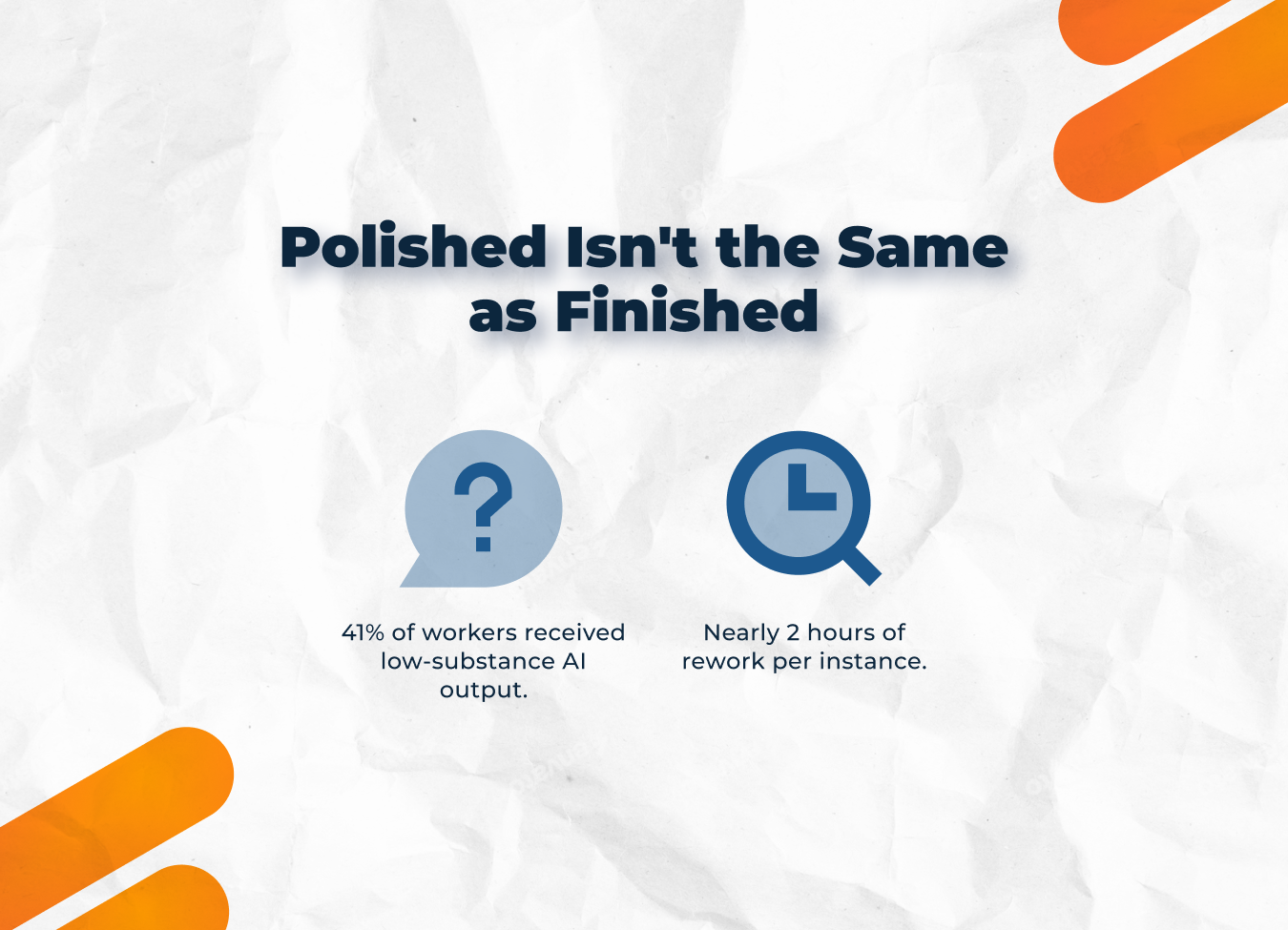
AI makes a first draft cheap. It doesn't make reviewing, routing, or maintaining that draft cheap. Harvard Business Review's research on "workslop", drawn from a BetterUp Labs and Stanford survey, found that 41% of workers had received AI-generated output that looked polished but lacked real substance, and each instance cost nearly two hours of rework. The sender saved time. A colleague spent it.
Leaders are seeing the same limit at scale. McKinsey's analysis of the agentic organization concludes that human accountability and oversight remain essential, and that adoption will ultimately be capped by how much oversight capacity people can provide. The constraint on AI-enabled work is often the people who make sure it's right.
What Workflow Support Roles Actually Do
Titles vary, but the work falls into three jobs.
Managing handoffs. Someone has to make sure AI-produced work reaches the right person with the right context, and that nothing stalls between a tool, a team, and a client. Gaps here are rarely dramatic. They show up as missed follow-ups and duplicated effort.
Checking quality. Before work leaves the team, someone verifies accuracy, tone, and completeness. Microsoft's 2026 Work Trend Index found that AI users themselves name quality control of AI output (50%) and critical thinking (46%) among the human skills growing most in importance.
Maintaining the process. Prompts, templates, checklists, and automations go stale when tools, policies, or clients change. Process upkeep means documenting how work runs, updating it, and tracking the exceptions that don't fit.
This function appears across departments: marketing operations, billing support, customer service, and administrative coordination. For law firms and healthcare practices, the same structure applies to intake, documentation, and coordination, where a clear review step keeps professionals focused on judgment rather than cleanup.
What to Look for When You Hire
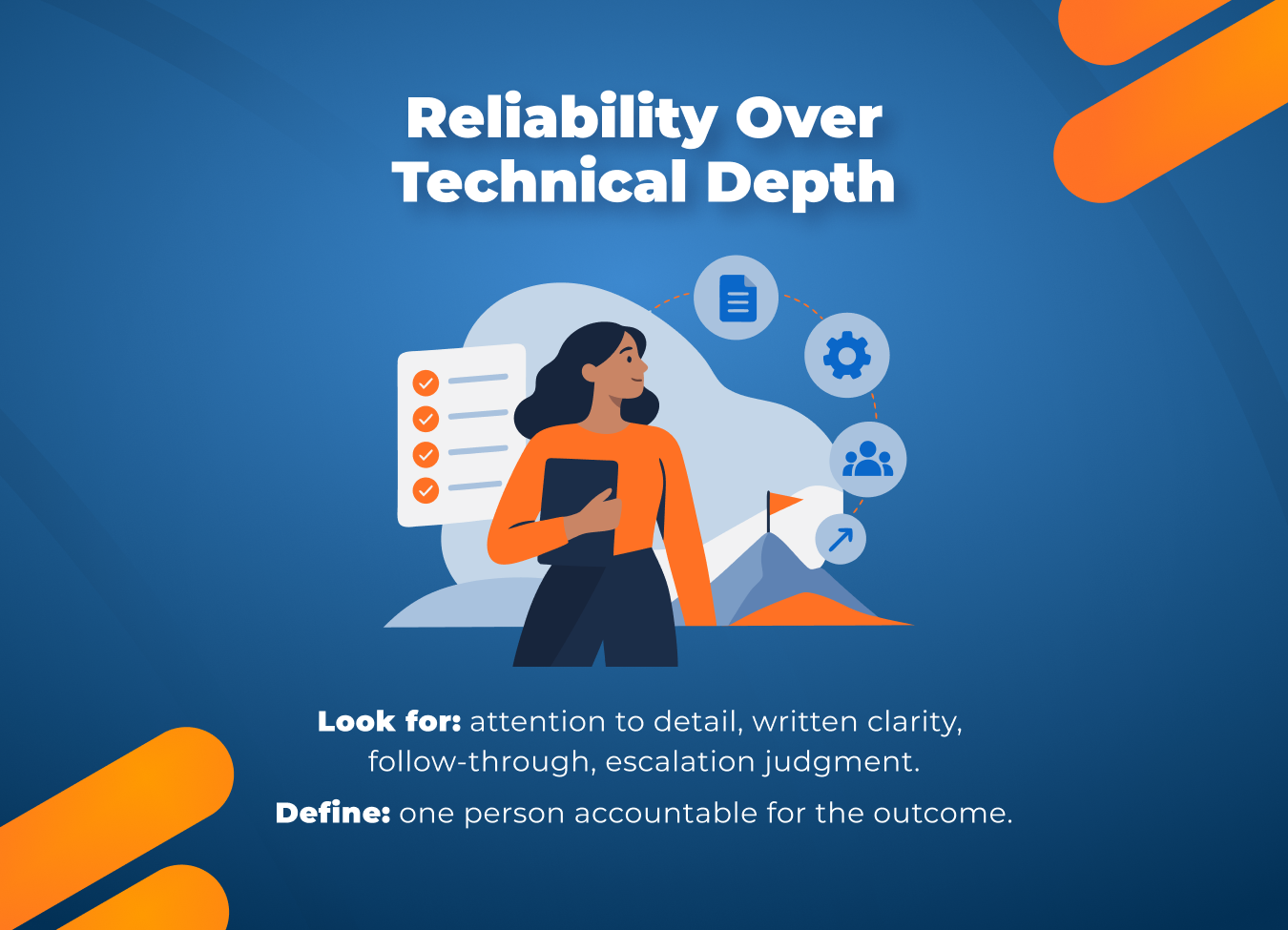
These roles reward a specific mix of strengths: close attention to detail, clear written communication, comfort with digital tools, steady follow-through, and the judgment to know when something needs escalating. Technical depth matters less than reliability. Our look at the top soft skills recruiters are prioritizing in 2026 covers many of the traits that matter here.
Define ownership clearly, too. A workflow support role works when one person is accountable for the outcome of a process, not just a task within it. Without that, review becomes everyone's job and no one's priority. For related reading on how AI changes the way teams communicate and think through work, see our piece on cognitive outsourcing and AI workplace communication.
How Remote Support and Headhunting Each Fit
Many of these roles can be performed remotely, which makes them a natural fit for distributed teams. Projective Staffing supports the full remote staffing process, including sourcing, vetting, onboarding coordination, payment, and ongoing support, and can deliver pre-vetted remote professionals in 3–5 days. These are long-term additions to the team, which matters for roles built on process knowledge that deepens over time. Our guide to hiring top remote talent fast explains how that works.
For the person who owns the whole workflow, such as an operations lead or process manager, Projective's headhunting service recruits for onsite or remote positions, and your company hires the candidate directly. Each model fits a different kind of seat.
Frequently Asked Questions
What are workflow support roles?
They manage the handoffs, quality checks, and process upkeep that keep AI-assisted work accurate and moving. They support the people using AI tools rather than replace them.
Does AI replace the people who do this work?
No. AI speeds up drafting and routine tasks, but people remain responsible for accuracy, context, and final decisions. These roles exist because that responsibility needs an owner.
What skills matter most for a workflow support role?
Attention to detail, clear written communication, follow-through, and sound judgment about when to escalate matter more than deep technical expertise.
How should a small team get started?
Give one person clear ownership of the review and handoff steps in a single process, then add dedicated support as volume grows.
Build Remote Capacity Without Adding Complexity
AI can speed up the work, but someone still has to own the result. Projective Staffing helps growing companies add pre-vetted remote professionals and direct hires who keep AI-enabled workflows accurate, organized, and moving. Get in touch to talk through where your team could use the support.