
HR Trends for 2026: What’s next for talent & teams?
As we move toward 2026, the role of HR is changing faster than ever. From automation integration to purpose-driven culture, HR leaders are no longer just support functions, they’re guiding business strategy. Organizations that prioritize adaptability, wellbeing, and tech-supported structures are set to stay competitive in a global, fast-changing world.
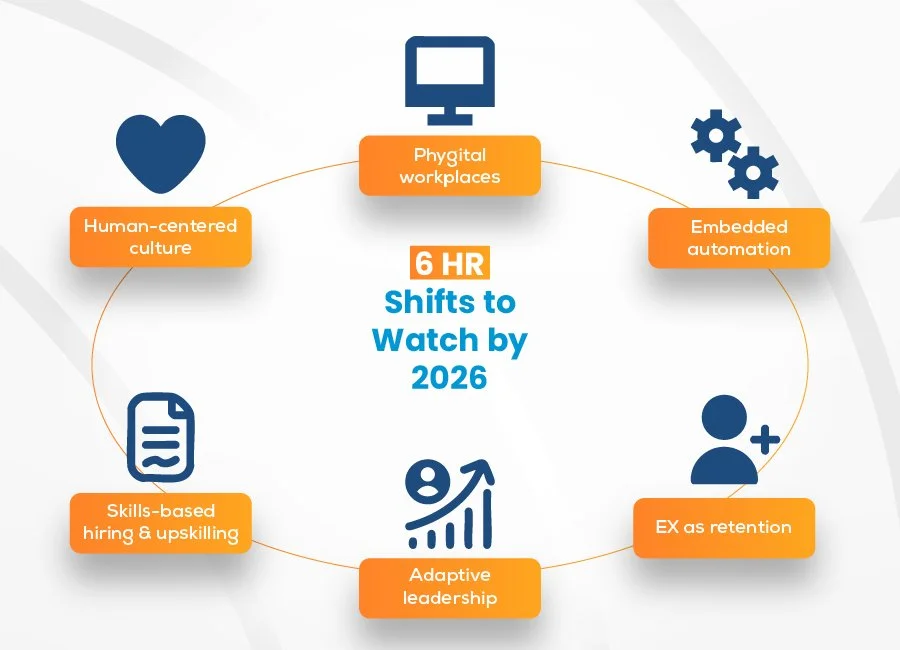
1. Human-Centered Culture Will Define Company Success
In 2026, high-performing companies will lead with empathy. A people-centric culture prioritizes team wellbeing, psychological safety, and purpose, not as perks, but as tools for growth.
Members want more than a paycheck; they seek meaningful work, flexibility, and alignment with personal values. Companies that meet this need will see stronger engagement, retention, and brand value. This includes a focus on total wellbeing, physical, emotional, financial, and social.
2. “Phygital” Is the New Normal
Hybrid work is no longer about choosing between in-office and remote, it’s about creating a combined experience that blends physical and digital. Workplaces are becoming flexible ecosystems: coworking spaces, digital collaboration hubs, and redesigned offices that feel more like off-site spaces than traditional HQs.
3. Automation Becomes Embedded in HR
Automation’s effect on HR is no longer a concept. By 2026:
Understanding of automation will be a basic HR skill.
Governance groups will form, with HR playing a role in ethical oversight.
Companies will invest in staffing agencies to include automation without losing human supervision.
According to AIHR’s 2026 trend report, HR’s influence in shaping how AI is deployed ethically and effectively is only growing, not just as implementers, but as stewards of responsible change.
4. Upskilling and Agility Take Center Stage
Traditional job roles are changing. Companies are shifting to skills-based hiring and investing in ongoing learning to stay flexible. Leaders and managers will need to grow across disciplines, not just in technical areas, but in human skills like emotional intelligence, adaptability, and systems thinking.
As companies expand hiring strategies across borders, they’re prioritizing professionals who combine technical ability with communication strength. Hiring top bilingual remote talent is proving to be a strategic advantage, especially for roles that require client interaction, or cross-functional collaboration.
5. Employee Experience (EX) Is a Retention Strategy
From onboarding to daily work, every interaction shapes how people feel about their workplace. In 2026, employee experience will be a main factor in retention.
Modern strategies include:
Personalized learning and benefits.
User-friendly digital tools.
Inclusive leadership and DEI built into every employee stage.
HR will shift from traditional roles to departments focused on designing journeys that engage, retain, and grow talent at scale.
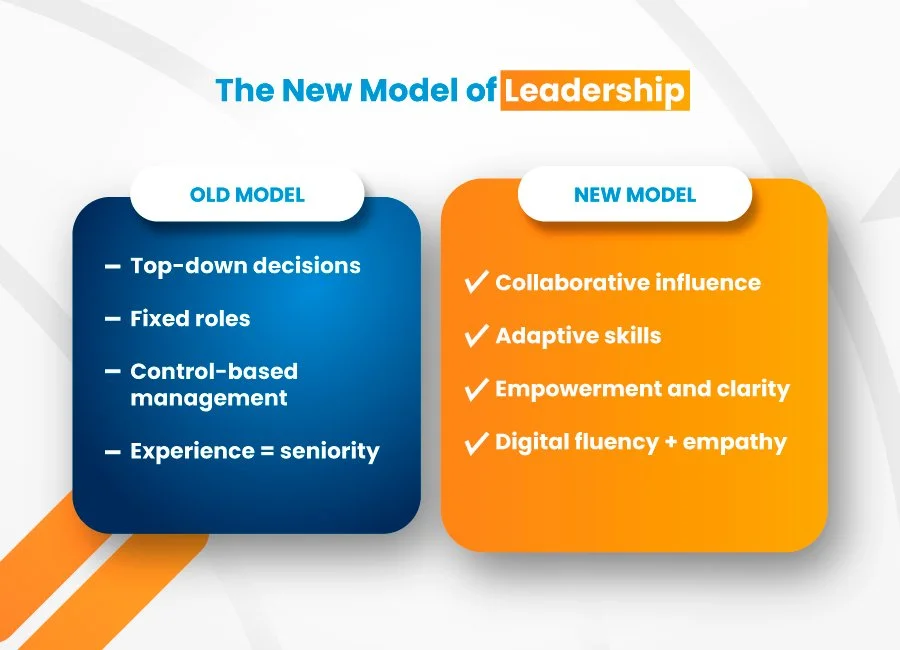
6. The New Leadership Model: Balanced, Inclusive, and Adaptive
By 2026, the most effective leaders won’t be those with fixed answers, they’ll be those who handle complexity. HR will support leaders in balancing tensions such as:
Empowerment vs. control
Stability vs. flexibility
Outcome vs. output
Leadership itself is changing: fewer layers, more influence. Gen X leaders are stepping up, blending traditional experience with digital skills. Support for managers, including mental health resources and role clarity, will become essential.
Modern HR leaders are expected to align people operations with business outcomes, while also reducing hiring missteps. That’s why many turn to recruiters to reduce the risk of early termination through better-fit placements and stronger retention strategies.
FAQ: HR in 2026
What is the biggest shift HR leaders should prepare for by 2026?
A move from process-driven roles to strategic, people-centered leadership. HR will guide organizations through change, wellbeing, tech adoption, and inclusive growth.
Is automation replacing HR jobs?
Not replacing, changing. Automation is taking over repetitive tasks and helping decisions, freeing HR to focus on strategy, empathy, and people development.
What skills will HR professionals need in 2026?
Automation understanding, employee data analysis, design thinking, communication, DEI strategy, and change management are becoming essential.
How can companies prepare their HR strategy now?
Invest in employee experience, use flexible work models, prioritize reskilling, and include ethical automation practices.
Build a Future-Ready HR Strategy
The future of HR isn’t theoretical, it’s already here. As teams, tools, and expectations change, the question for leaders is not if you’ll adjust, but how fast.
If you're ready to align your HR strategy with where the world of work is headed, our remote staffing services can help you grow with flexibility, inclusion, and top talent, anywhere.
Contact Projective Staffing to prepare your team today.